
Turning waste
into worth.
Lukera Energy has reinvented the chemistry behind C1/C2 oxygenates production, shifting it from centralized mega-plants to distributed, modular units that convert waste methane into products at the point of emission.
Connect with our team
Simple chemistry.
Distributed deployment.
Our simple, low-cost approach to oxygenate production has the potential to change the world, and we’re not shy about it.
The methanol production process hasn't changed in generations. Steam methane reforming is still the dominant industrial route. Most C1/C2 oxygenates are produced in large, centralized plants via a two-stage process:
Stage 1
Feedstock is converted into syngas at extreme temperatures
(800°–1000° C).
Stage 2
Catalytic synthesis happens at high pressures (50-100 bar) and moderate heat to form the final liquid chemicals, in centralized plants sized for pipeline-scale gas feeds.
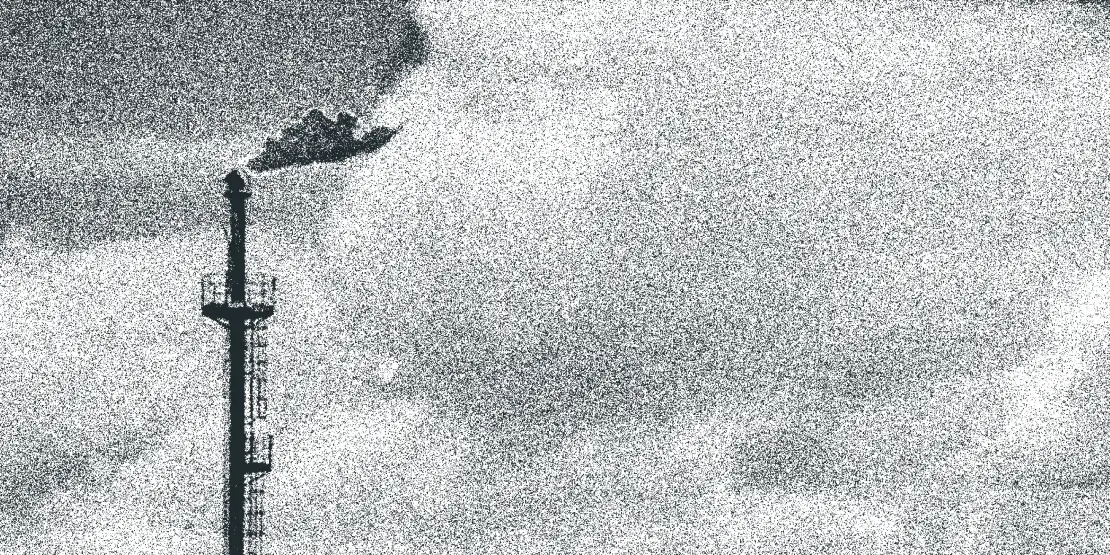
It's energy-intensive, site-constrained, and unable to economically reach the billions of cubic feet of methane flared, vented, and wasted every year at small, scattered sources.
Learn moreWe've taken a
different path
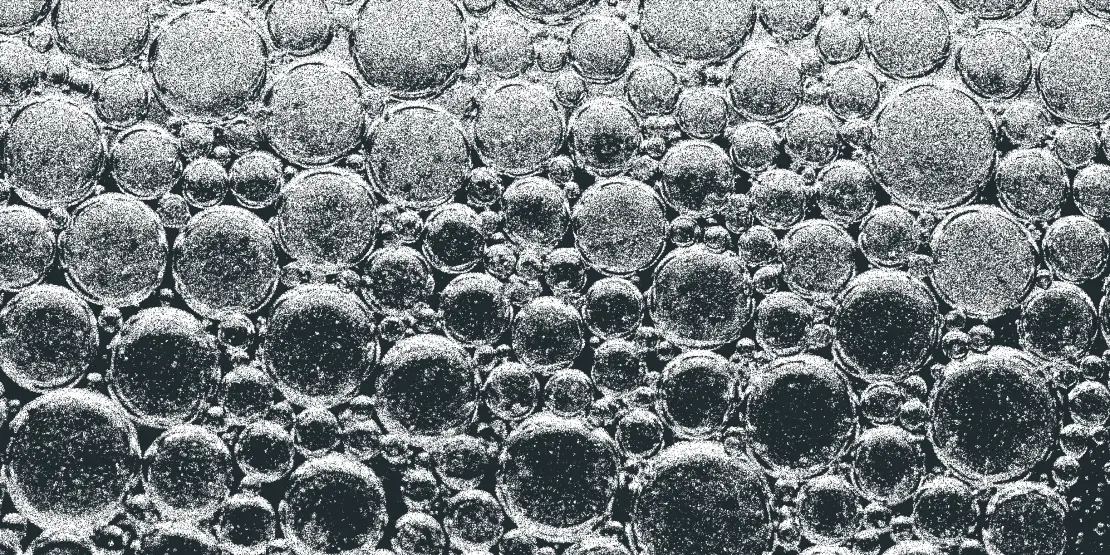
Our technology, licensed from foundational work at Stanford, uses a one-stage process of ultrafine bubbles of methane in a saltwater electrolyte to activate the C-H bond at ambient temperature and pressure.
At the curved gas-liquid interface of each bubble (smaller than 50 microns), the local electric field intensifies by orders of magnitude, enough to drive selective partial oxidation to methanol and related oxygenates, without the thermal penalty of steam reforming or the electrical penalty of hydrogen electrolysis.
No high heat. No high pressure. No external hydrogen. Just electricity, water, and the methane you already have.
Saltwater,
Industrial Brine
Saltwater,
Industrial Brine
Reactants
Methane (CH4)
Ethane (C2H6)
Electrochemical
Conversion
0.1 V (DC offset)
10 Hz (DC offset)
C1 + C2
Oxygenates
e.g. Methanol, formic acid, ethanol
Methane/ethane contacts water as ultrafine bubbles (<50 TTμm). An AC field (0.1 V, 10 Hz) and CuO electrode drive selective partial oxidation to methanol and C1/C2 oxygenates — ambient temperature and pressure, no external H₂, no reforming. Modular, containerized deployment (ISO-1496/CSC-container compliant) at methane sources.
Let's TalkFour things that matter:

Ambient operation
The reactor runs <100°C and near-atmospheric pressure, with electricity as the only energy input. No combustion. No hydrogen infrastructure.

Feedstock tolerance
Gas-liquid electrochemistry in a saline matrix gives us native tolerance for CO2, H2S, brine, and compositional variability. The impurities our competitors must scrub out, we're designed to accept. That means we can handle flare gas, landfill gas, digester biogas, wastewater biogas, and produced water as co-feed, with a single platform.
Platform chemistry
One electrochemistry, many feedstocks, multiple products. The underlying chemistry produces a controlled distribution of C1 and C2 oxygenates, and as markets and off-take contracts develop, the platform can be tuned toward the highest-value product mix.

Container logistics
Our unit is designed to be ISO 1496 / CSC-compliant, meaning it ships on any standard container logistics network, be it road, rail, or sea, without special permitting, custom transport, or site-specific engineering. The unit moves to the methane, not the other way around.

The importance of methanol
From the clothes on your back to the paint on your walls, methanol touches so much of our everyday lives. It’s a chemical building block with the power to fuel our future, so we decided to find a way to make it more efficient and environmentally friendly.
Find it in your life
→ Antifreeze
→ Marine fuel & biofuel
→ Solvent
→ Plastics
→ Synthetic fabrics & fibers
→ Adhesives
→ Paint & paint remover
→ Plywood
→ Formaldehyde (methanol derivative)
Our platform produces C1/C2 oxygenates today — formic acid, formaldehyde, methanol and related molecules — from the same waste-gas feedstocks.